Tunde Oyadiran on Turning Stakeholder Leadership Into Business Value
Leading Corporate Affairs across Nigeria, Equatorial Guinea, and Cameroon requires Tunde Oyadiran to align government, community, regulatory, and business priorities, often without formal authority. Through our High Impact Leadership program, he strengthened how he uses influence, builds alignment, and creates accountability across stakeholders and his team.

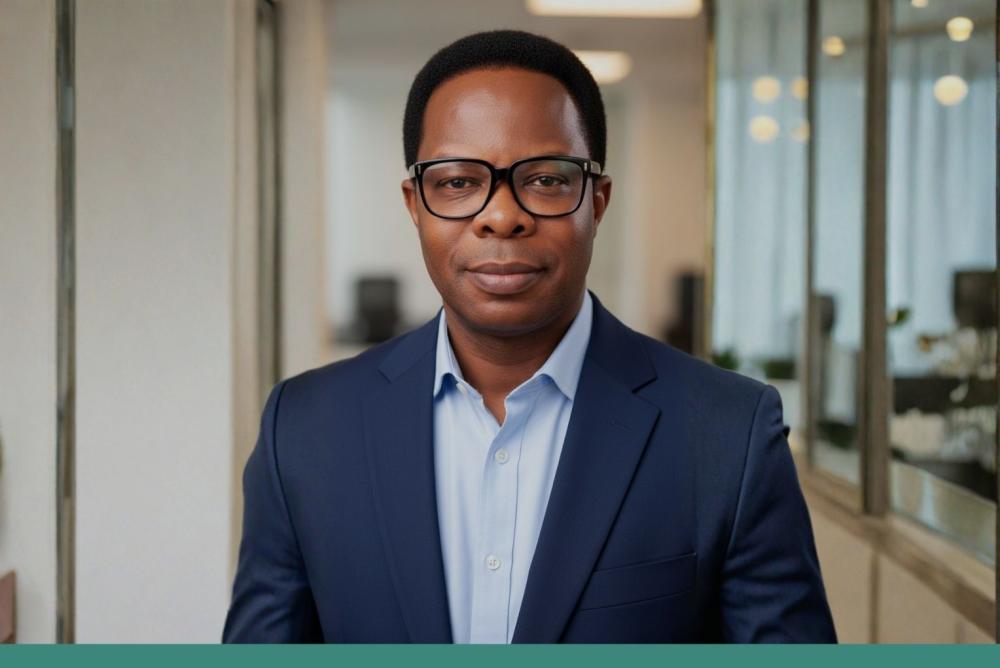
Tunde Oyadiran leads Chevron's NMA Corporate Affairs agenda across Nigeria, Equatorial Guinea, and Cameroon. His responsibilities span communications, government relations, social performance, stakeholder engagement, and planning, with a focus on strengthening business continuity and Chevron's license to operate.
He also oversees governance and community investment priorities across 143 communities, bringing together stakeholder intelligence, partnership strategy, and operational needs. Looking to strengthen how he leads across stakeholders and situations where formal authority alone is not enough, Tunde joined Columbia Business School Executive Education's High Impact Leadership program. We asked him about the experience, what his 360-degree feedback revealed, and how he has applied the program to his leadership and work.
What leadership challenges motivated you to join the High Impact Leadership program?
Corporate Affairs was becoming more complex, with stakeholder expectations, regulatory requirements, community risks, joint venture (JV) partner priorities, and business-plan delivery all converging at the same time. I needed to move beyond managing issues as they arose and strengthen my ability to lead through influence, discipline, and strategic alignment.
I felt most stretched in balancing urgency with judgment. Government, communities, regulators, and JV partners often require different engagement rhythms, yet the business needs one integrated response that protects our license to operate and keeps projects moving. The stretch was not only in managing multiple stakeholders, but in ensuring my team had clear decision rights, reliable data, consistent escalation, and the confidence to act with discipline while preserving relationships.
The program appealed to me because it addressed the leadership shift required to convert stakeholder trust, regulatory insight, and team capability into measurable enterprise value.
Why did you choose Columbia Business School's High Impact Leadership program?
I was looking for something practical, reflective, and directly relevant to the kind of leadership required in my role. I wanted a program that would challenge how I lead, how I use influence, how I build coalitions, and how I create accountability without relying only on formal authority. Columbia's approach offered the right blend of personal insight, peer learning, and application to real business situations.
What did your 360-degree feedback reveal about your leadership?
My strengths are clarity, drive, and accountability, but the feedback reminded me that those same strengths can sometimes be experienced as intensity. What surprised me was how important it is to create more space for others to process, challenge, and own the outcome.
It helped me see that high-impact leadership is not only about setting direction; it is also about expanding ownership and enabling others to lead with confidence.
How did the program change the way you think about authority and influence?
One idea that reframed my leadership was the distinction between authority and influence. In Corporate Affairs, the most important outcomes often depend on people and institutions I do not directly control. That insight pushed me to focus more deliberately on stakeholder mapping, coalition-building, sequencing conversations, and creating shared ownership before asking for decisions. It also reinforced the need to bring the right people into the room early.
I also gained a different perspective on the tension between being decisive and being inclusive. Influence does not weaken authority; it strengthens it when people understand the purpose, risk, and value behind a decision. I now consider it more important to frame the business case, clarify roles, and build alignment before execution, especially when decisions involve compliance, reputation, community trust, or regulatory exposure.
How have you applied what you learned from High Impact Leadership to your team?
I now lead with a more structured operating rhythm. Instead of relying mainly on follow-up conversations, I have pushed for clearer trackers, evidence registers, risk dashboards, Workday-aligned performance management process (PMP) goals, and regular review cadences. This has helped convert priorities into visible commitments and has made it easier to connect Corporate Affairs work to objectives and key results (OKRs), business value, compliance outcomes, and stakeholder risk reduction.
The early result is greater discipline and visibility. The team is becoming more focused on measurable outcomes rather than activity volume: value capture, Host Communities Development Trust (HCDT) compliance, approvals supported, stakeholder risks mitigated, cost discipline, zero disruption, and evidence-based reporting. It has also improved the quality of conversations with team members because performance is now tied more clearly to deliverables, ownership, and business impact.
What has been the biggest challenge in putting these leadership changes into practice?
Sustaining the discipline when urgent issues compete with important work has been the hardest part. Corporate Affairs often deals with matters that require immediate attention, but the leadership challenge is to avoid being consumed by the urgent at the expense of the strategic.
I have had to keep reinforcing the importance of documentation, prioritization, early escalation, and stopping low-value work so that the team can focus on what truly enables business performance.
How do you see stakeholder leadership evolving in the energy industry?
It is moving from relationship management to enterprise risk and value management. Leaders must now integrate government affairs, regulatory assurance, community engagement, partner relations, reputation, intelligence, and data into one coherent system.
The future will reward leaders who can anticipate risk, build trust before a crisis, use evidence to influence decisions, and demonstrate how stakeholder work protects continuity, unlocks value, and strengthens social license.
Who would you recommend the High Impact Leadership program to?
High Impact Leadership strengthened my ability to convert authority into influence, influence into alignment, and alignment into measurable business impact.
How would you sum up the impact of High Impact Leadership in one sentence?
High Impact Leadership strengthened my ability to convert authority into influence, influence into alignment, and alignment into measurable business impact.
Upcoming High Impact Leadership Programs
$12,600
High Impact Leadership
5 CIBE Credits
Sign Up for Email Alerts
Sign up for program updates and content relevant to today's business leaders from Columbia Business School Executive Education.