Abdulaziz AlAifan on Turning AI Into a Strategic Marketing Partner
Moving Beyond AI as a Marketing Tool
For Abdulaziz AlAifan, AI is more than a tool for generating content or automating tasks. As External Communications Assistant Manager at Diriyah Company, he has applied lessons from AI-Driven Marketing Strategy: Leveraging New Technologies to Cultivate Enduring Customer Relationships to rethink campaign development, strengthen strategic thinking, and help advance AI adoption within his department.

What happens when the data tells you where an opportunity exists, but circumstances make it difficult to act on? That is a familiar challenge for Abdulaziz AlAifan, External Communications Assistant Manager at Diriyah Company, where marketing decisions must account for everything from visitor behavior to the practical realities of promoting a major cultural destination in Saudi Arabia.
With experience on both the agency and brand sides of marketing, AlAifan has learned that translating data into strategy requires more than identifying trends. It also means finding creative ways to respond when the obvious solution will not work.
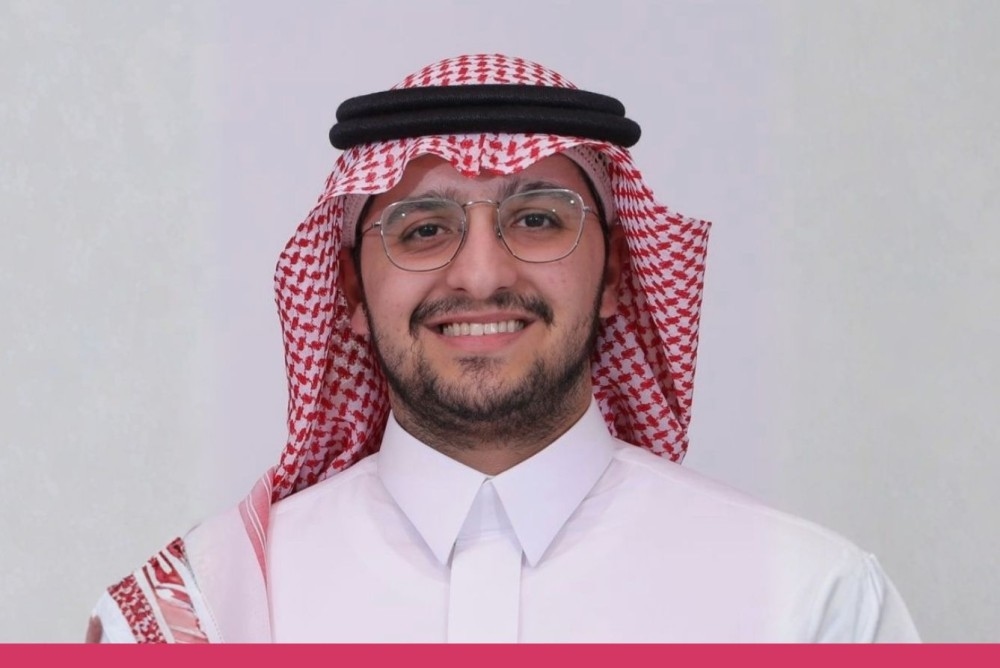
What made you want to explore AI-Driven Marketing Strategy?
Like many marketers, I was seeing how quickly AI was changing our industry. There was a lot of discussion about whether AI would eventually replace marketers. I wasn't interested in learning how to outperform AI. I wanted to understand how to work with it. How could I use it to think more strategically, improve my campaigns, and become more effective at what I do?
That was what drew me to the program. I wasn't looking for a program on writing prompts. I wanted to understand the bigger picture of how AI fits into marketing strategy.
How has the program changed the way you use AI at Diriyah?
I now see AI as much more than a tool for writing captions or putting together presentations. It has become a thinking partner.
I use it to challenge and refine ideas, plans, campaigns, and strategies. Sometimes you become so familiar with your work that you approach problems on autopilot. AI can push you to reframe the question and consider something you might not have thought about otherwise.
That shift also helped me become one of the people supporting AI transformation in our department. It is not just about using the technology myself, but helping others recognize how much more they can do with it.
Can you share an example of how AI helped you solve a marketing challenge at Diriyah?
One of the hardest parts of translating data into strategy is that you do not always have the full picture. Sometimes information is missing, and sometimes there are factors outside your control that make the strategy you are recommending difficult to execute. Summer visitation is a good example. The data might tell us we need to attract more visitors, and we could respond with promotions or discounts. But when the weather is extremely hot, those incentives alone may not be enough.
I used AI to help develop and pitch a Spider-Man-themed activation at Diriyah tied to the release of a new Spider-Man movie. The idea was to attract more families, one of our target audiences, by offering free entry during the summer. It worked. The activation became one of our successes of the year, bringing in more visitors over a single weekend than we had seen across multiple weekends during the winter season.
For me, it was a great example of using AI to think beyond the obvious solution and develop an idea that could work within the constraints we faced.
How has moving from agency work to the brand side changed your perspective on marketing?
The biggest surprise was discovering that the brand side can be even more demanding than agency life. Everyone talks about how intense agency work is, but when you are marketing a destination like Diriyah, your role becomes part of how you experience the world.
I find myself looking at everything through that lens. If I am thinking about real estate, I start asking how we could improve the marketing of Diriyah's real estate offerings. The same happens when I travel, go out to eat, or experience something related to history, culture, or sports. I am constantly thinking about what those experiences could mean for Diriyah.
It is demanding because you never completely switch off that way of thinking. But it is also incredibly rewarding. You can see the tangible impact of the work, and that makes going to work every day something I genuinely enjoy.
What did you learn from the other professionals in your AI-Driven Marketing Strategy cohort?
One of the things I enjoyed most was meeting people from different industries and countries and hearing how they were using AI. It made me realize I was not using AI nearly as much as I could be. Other participants were approaching their work in ways I had not considered, and I picked up practical tips for improving my own workflows.
Sometimes you need to see how someone in a completely different industry uses a technology to recognize what you could be doing yourself differently.
How do you see AI fitting into marketing in Saudi Arabia?
Marketing in Saudi Arabia moves quickly. You have to be adaptable and willing to keep learning if you want to evolve and stand out.
For me, AI is part of that. But the important shift is understanding that you are not competing with it. You are learning how to use it to become a better strategist and make your marketing more effective. That is one of the biggest things I took from the program.
What would you tell another marketer considering AI-Driven Marketing Strategy?
I would tell them not to expect a program about writing prompts or learning which AI tools to use. The program goes beyond that. It is about understanding the bigger picture and how AI can help you think more strategically.
If you want to challenge the way you approach marketing, develop stronger ideas, and use AI as a partner rather than just another tool, it is definitely worth exploring. Make decisions with better questions.
Upcoming Marketing Programs
$10,550
AI-Driven Marketing Strategy: Leveraging New Technologies to Cultivate Enduring Customer Relationships
4 CIBE Credits
Sign Up for Email Alerts
Sign up for program updates and content relevant to today's business leaders from Columbia Business School Executive Education.