Dante Lima on Using AI Without Outsourcing Judgment
Putting AI to Work on Real Business Decisions
Dante Lima uses AI to research markets, challenge assumptions, evaluate business models, and explore new ventures. AI-Driven Marketing Strategy: Leveraging New Technologies to Cultivate Enduring Customer Relationships helped him bring greater structure to that work while reinforcing where experience, evidence, and human judgment remain essential.

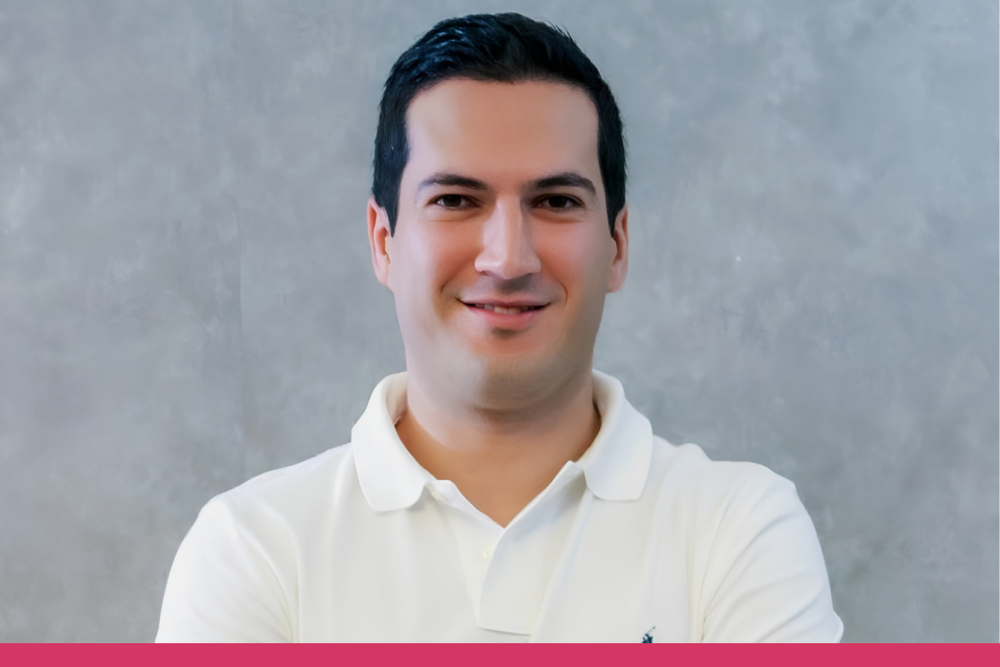
Dante Lima knows e-commerce and digital marketing from the operator's seat. He spent 15 years building Enext, the company he co-founded with his brother, working with businesses on e-commerce, marketplaces, and digital media before moving into a new chapter as an investor, advisor, and entrepreneur.
That shift changed the questions he was asking. Lima joined Columbia Business School Executive Education's AI-Driven Marketing Strategy: Leveraging New Technologies to Cultivate Enduring Customer Relationships to look beyond how companies could use AI and examine what the technology could mean for customer value, business economics, and competitive advantage.
We asked him what changed in his thinking and how he is putting those ideas to work as he evaluates companies, advises founders, and explores new business opportunities.
What were you looking to understand about AI when you joined AI-Driven Marketing Strategy?
I was at an important transition in my career. I had built Enext with my brother, sold it to WPP in 2017, and continued leading the business until 2025. I was moving into a new chapter focused on investing, advising founders, and building businesses through Pinna, our family office and holding company.
I already knew digital services, e-commerce, marketing, and software well. What I wanted to understand was how AI could change their economics. What becomes easier for everyone to do? Where can a company still build an advantage? And what does that mean for where I should put my time and capital?
At this stage of my career, that is what I look for from executive education. Experience is valuable, but it can also create assumptions. Going back into the classroom gives me a reason to question some of those assumptions and improve the quality of my judgment.
What did you learn about AI that changed the way you approach the technology?
I really appreciated going deeper into how large language models actually work. The session on the science and mathematics behind systems such as OpenAI's ChatGPT was one of the more technical parts of the program, but it helped me understand the potential of the technology much better.
I see AI as an incredibly powerful technology, but it is still software created and operated by people. Understanding both sides made me more confident about experimenting with it and more thoughtful about the decisions we make around it.
AI-Driven Marketing Strategy: Leveraging New Technologies to Cultivate Enduring Customer Relationships gave me the foundation and helped me ask better questions. The practical fluency came afterward, from using AI almost every day. I use tools such as Claude to research companies, develop business plans, review financial scenarios, prepare for meetings, and challenge ideas. The classroom and the hands-on work reinforce each other.
How are you using AI to evaluate business opportunities?
One of the most practical applications for me is research. At Pinna, I use AI to explore markets, compare business models, challenge assumptions, and prepare questions before talking with founders.
I am also building a venture focused on acquiring, developing, and improving apps in the Shopify ecosystem. I have been using AI to think through the acquisition strategy, operating model, growth opportunities, and different financial scenarios. What matters is that AI does not make the decision for me. It helps me bring more structure and depth to the questions I am asking. The assumptions still have to stand up against customer evidence, company data, and the realities of execution.
One principle from the program has stayed particularly relevant: understand the business, competition, and audience before you start producing anything. The same applies to AI. Better context and better questions generally lead to better output, but you still need enough experience or evidence to judge what you are getting back.
Has the program changed what you look for in a founder or business?
It sharpened the questions I ask about adaptability.
When I look at a business, I want to understand where AI could improve customer value, service quality, speed, or margins. But I am also looking at the people running it. Are the founders experimenting themselves? Can they tell me what worked and what failed? Do they understand their customers well enough to know whether an AI-generated answer is actually useful?
Curiosity matters to me, but so do financial discipline and the ability to bring a team along.
What ideas from AI-Driven Marketing Strategy are you still using?
I keep coming back to the connection between customer value, business economics, and technology.
The tools change quickly, so I think the more durable questions are: What problem are we solving? What gets better for the customer? How does that create a stronger business? And what evidence will tell us whether it is actually working?
Those questions are useful whether I am acting as an entrepreneur, investor, or advisor. They help me decide which opportunities deserve more attention and which experiments are worth pursuing.
Where do you see AI changing e-commerce and digital marketing most?
I expect major changes in product discovery, business operations, and the economics of marketing services.
AI assistants and shopping agents will play a larger role in how customers compare products and make decisions. That means businesses will need accurate product information, strong availability, a good reputation, and a clear value proposition.
Inside companies, I see an opportunity to connect customer insight more closely with product development, marketing, and service. And in digital media and services, routine production will become more accessible. Agencies and technology companies will have to keep showing where they add value through customer understanding, creative judgment, implementation, and measurable business results.
Did the people you met in the program create value beyond the classroom?
Definitely. I met people from several countries, including quite a few fellow Brazilians, and I enjoyed hearing how they were approaching AI in different businesses.
One of those relationships led directly to a business opportunity. I met a director from a major multinational company that was expanding one of its brands in Brazil. Our conversation eventually led to a services contract with Enext to support that expansion.
That made the value of the network very tangible for me. You are there to learn, but you are also building relationships with people who are dealing with real business challenges of their own.
What would you tell an experienced founder or executive considering AI-Driven Marketing Strategy?
I would start by asking what decisions you are trying to make and what you are prepared to do with what you learn.
The program becomes particularly valuable when you bring real business questions with you. You can connect what you are learning to your own experience, challenge your thinking, and leave with ideas you are ready to test.
Then you have to follow through. Pick a specific application, involve the right people, and evaluate what happens. For an experienced founder or executive, the value may come from recognizing an opportunity earlier, allocating resources more carefully, or simply approaching an important decision with better questions.
Upcoming Marketing Programs
$10,550
AI-Driven Marketing Strategy: Leveraging New Technologies to Cultivate Enduring Customer Relationships
4 CIBE Credits
Sign Up for Email Alerts
Sign up for program updates and content relevant to today's business leaders from Columbia Business School Executive Education.